

What is the difference between WPC and UPVC?
uPVC is rigid, unplasticised PVC: a plastic used mostly for windows and balcony doors. WPC is a composite of wood powder and polymers used for interior doors, and it can be sanded and worked like wood. Babeco makes WPC interior doors only, with a 4.5 cm leaf and a lifetime warranty against water and termites.
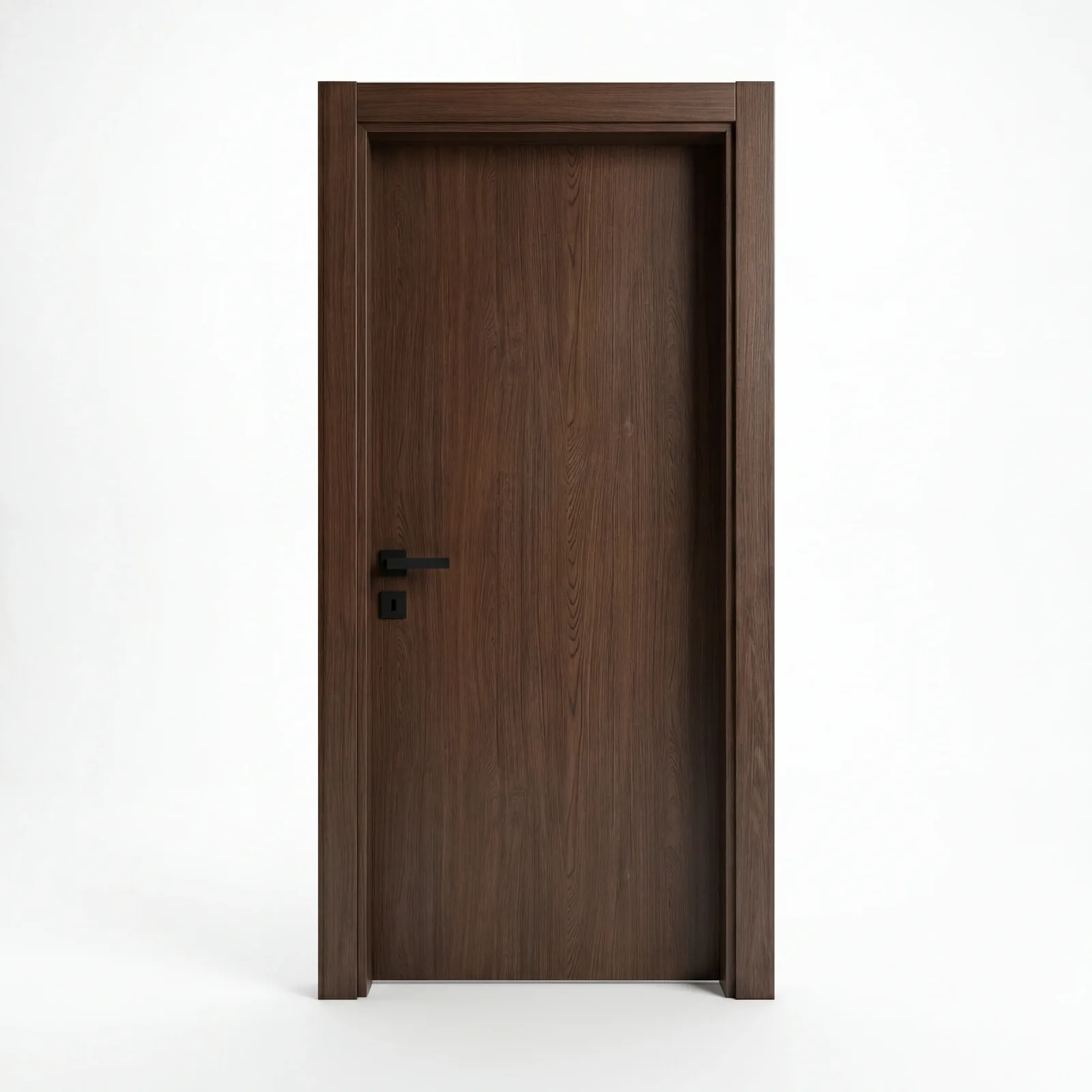
Door materials compared
| WPC (Babeco) | PVC | uPVC | HDF / MDF | Solid wood | |
|---|---|---|---|---|---|
| Water | Does not swell | Does not swell | Does not swell | Swells at the edges | Swells without care |
| Termites | Resistant | Resistant | Resistant | Can be eaten | Can be eaten |
| Leaf weight | 25–27 kg | Usually 30+ kg | — | Varies | Heavy |
| Feel | Close to wood | Plastic | Plastic | Wood-fibre board | Real wood |
| Upkeep | Damp cloth, no paint | Damp cloth | Damp cloth | Repaint, avoid water | Varnish or paint |
| Price | 9,000–10,900 EGP complete | Often lower than WPC | Varies by seller | Lowest | Usually higher than WPC |
| Warranty | Lifetime vs water, moisture, insects, termites | Depends on seller | Depends on seller | Depends on seller | Depends on seller |
Where each is used
uPVC frames are common for windows and sliding balcony doors. For doors inside the apartment, WPC gives a wood feel without the water and termite problems of wood.
Material and feel
uPVC is plastic throughout. WPC contains wood powder, so it feels and sounds closer to a wooden door and its colour film bonds on a sanded surface.
Interior doors
If you are choosing doors for rooms, bathrooms and the kitchen, compare WPC with PVC and wood in our WPC vs PVC guide.
People also ask
Is uPVC the same as PVC?
uPVC is rigid PVC without softeners; both are plastics.
Does Babeco make uPVC windows?
No. We make WPC doors, wall panels, chip board and bathroom units, and supply armored entrance doors.
Are WPC doors waterproof?
Yes. See are WPC doors waterproof?